


Professional Baklava Masterclass Workshop in istanbul
850,00 €
Turkish Baklava Making Workshop
For Reservation : +905442201022 or E-mail
Description
Turkish Ottoman Baklava Workshop for Professionals
Advanced Classical Baklava Techniques & Ottoman Dessert Heritage
Date: Available All Year Long with reservation.
Duration : 5 – 6 Hours.
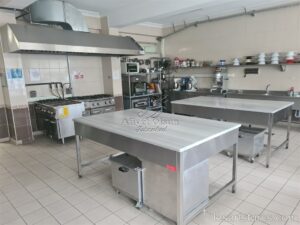
Kitchen : Taksim or Sirinevler Kitchen
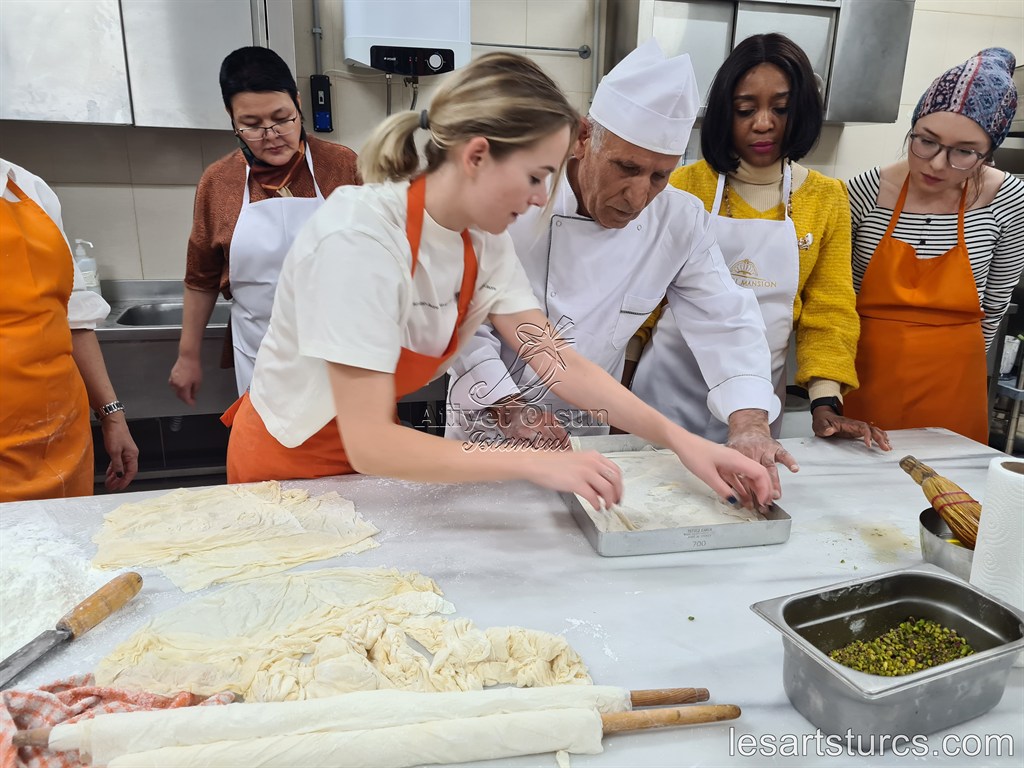
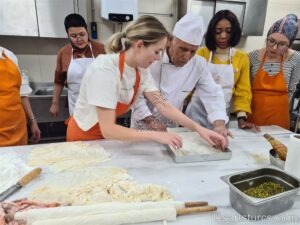
This intensive workshop is designed specifically for chefs, pastry professionals, culinary students, and serious home bakers who want to master authentic Ottoman-style baklava at a professional level. The focus is on consistency, scalability, and technique—not just a one-off recipe.
You can join as a single-day intensive (5–6 hours) or choose a 1, 2 or 3-day course for a deeper professional experience.
Workshop Focus
-
Ottoman Baklava History & Style Standards
-
Brief overview of baklava’s roots in the Ottoman palace kitchens.
-
Key differences between home-style baklava and professional/patisserie baklava.
-
Texture, layering, sweetness balance, and visual standards expected in a professional setting.
-
-
Advanced Dough & Yufka (Phyllo) Techniques
-
Formulating dough for elasticity, transparency and strength.
-
Adjusting hydration based on flour type, humidity, and working conditions.
-
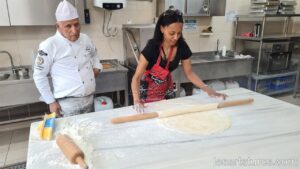
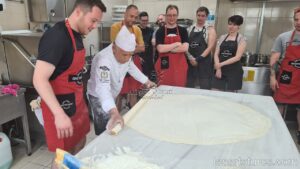
Techniques for rolling ultra-thin sheets with oklava (rolling pin) and/or sheeter.
-
Stacking, resting, and handling yufka in a professional kitchen.
-
-
Layering Architecture & Product Consistency
-
Ideal layer counts, distribution of nuts, and correct compression.
-
Building uniform trays suitable for portioning and display.
-
Diamond, square and “midye” cut techniques for professional presentation.
-
Avoiding common structural faults (collapsing middle, uneven rising, separation of layers).
-
-
Clarified Butter & Fat Management
-
Clarifying butter for baklava: temperature, foam removal, storage.
-
Correct butter temperature and pouring technique for even absorption.
-
How to avoid greasy surfaces, burnt butter flavor, or dry layers.
-
-
Sugar Syrup Science
-
Balancing sugar–water–acid ratios for crisp but moist baklava.
-
Controlling Brix / density: light vs heavy syrups for different baklava types.
-
Timing: hot syrup on cold baklava vs cold syrup on hot baklava – when and why.
-
Preventing crystallization, over-caramelization, and sogginess.
-
-
Regional & Style Variations (Optional Module)
-
Comparing Gaziantep-style pistachio baklava vs walnut-based versions.
-
Fıstıklı, cevizli, şöbiyet, and other Ottoman-inspired variations (theory + demo if time allows).
-
How to adapt your base dough and syrup to different regional styles.
-
-
Professional Production & Scaling
-
Adapting recipes from small batches to full sheet-tray production.
-
Pre-production planning, storage of dough, semi-finished layers, and baked products.
-
Shelf-life management, reheating, and serving standards in restaurants, hotels, cafés.
-
Basic costing & portion control for a commercially viable baklava menu item.
-
-
Plating & Service for Modern Menus
-
Classic Ottoman presentation vs modern restaurant plating.
-
Pairing with ice cream, kaymak, sauces, and beverages in a professional context.
-
Who This Workshop Is For
-
Pastry chefs & bakers in restaurants, hotels, cafés, and patisseries
-
Culinary students in advanced levels
-
Experienced home bakers planning to sell or serve baklava professionally
-
Chefs adding authentic Ottoman / Turkish dessert options to their menu
Learning Outcomes
By the end of the workshop, participants will be able to:
-
Produce consistently thin, elastic baklava dough suitable for professional service.
-
Build and bake uniform trays that maintain structure and texture.
-
Formulate and control sugar syrup and butter for optimal crispness and flavor.
-
Adapt a master Ottoman baklava recipe to their own kitchen and scale it.
-
Implement production planning to serve baklava efficiently and profitably.
Practical Information
-
Location: Professional kitchen environment
-
Instructor: Professional Turkish baklava chef
-
Duration:
-
1-day intensive: 5–6 hours
-
2 or 3-day extended courses available
-
-
Language: English (Turkish available on request)
-
Level: Intermediate–Advanced (basic pastry skills recommended)
-
Included:
-
All ingredients and equipment
-
Professional recipe sheets with scaling notes
-
Tasting and evaluation of all products
-
Certificate of participation (optional, if you offer it)
-






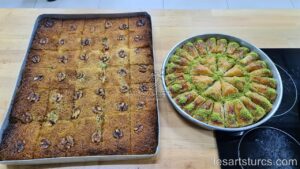


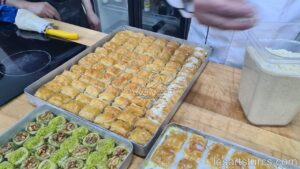


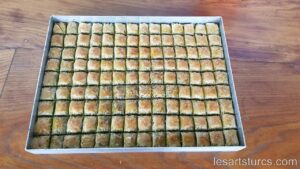

History of Turkish Baklava
Turkish baklava is a traditional homemade pastry that is popular throughout the Middle East and Mediterranean regions. It is a sweet confection made with layers of thin phyllo dough that is filled with chopped nuts and (usually) sweetened with honey or syrup. The classic version of Turkish baklava is made with walnuts, but pistachios and almonds are also popular choices. Baklava is usually served as a dessert and is usually accompanied by a cup of Turkish coffee or tea. Baklava is a labor–intensive dish that requires patience and attention to detail. The dough is rolled out very thin and then layered with the chopped nuts. The layers are then brushed with melted butter or ghee and baked until golden brown. Once out of the oven, the baklava is drenched in a syrup made from sugar, honey, and water. This syrup helps to keep the pastry moist and gives it a sweet flavor. In Turkey, baklava is served for special occasions such as weddings, holidays, and other special events. It is also a popular street food and can be found in many Turkish cafés and bakeries. Baklava is a popular gift item and can be purchased in specialty stores
Baklava is a rich, sweet pastry featured in many cuisines of the former Ottoman countries. It is a pastry made of layers of phyllo dough filled with chopped walnuts or pistachios and sweetened with syrup or honey.
The origin of Turkish Baklava is disputed, and there are many claims of its origin. Some say it was brought to Turkey by the Ottomans from Central Asia, while others claim it was first created in the kitchens of the Topkapi Palace in Istanbul. The more accepted version, however, is that Baklava is an Ottoman–Turkish dish that was adopted and adapted from the cuisines of the former lands of the Ottoman Empire. The first written record of Baklava comes from Nizam al–Mulk’s 11th–century book, The Book of Government. This recipe, which is still used in modern Turkish cuisine, includes a dough filled with chopped nuts and sweetened with syrup. In the 16th century, the Ottoman court developed a new style of Baklava, which included pistachios and almonds. This version is known as the “double–layered Baklava” and is still popular in Turkey today. In the 18th century, the popularity of Baklava increased, and by the 19th century it had become a staple of the Ottoman cuisine. Today, Turkish Baklava continues to be enjoyed throughout the Middle East and beyond.