

Turkish Baklava Making Workshop
250,00 €
Turkish Baklava Making Workshop
For Reservation : +905442201022 or E-mail
Note : The price is min. 2 people. Single private class fee is 450 Euro.
Description
Turkish Baklava Making Workshop
Home Made Classical Baklava
Date: Available All Year Long with reservation.
Duration : 2,5 – 3 Hours.
Kitchen : Taksim or Sultanahmet Kitchen.
Note : The price is min. 2 people. Single private class fee is 450 Euro.
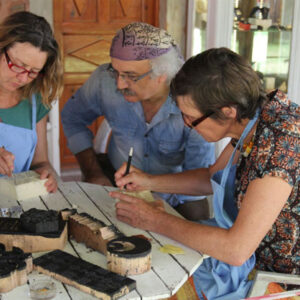
Step into a real Turkish kitchen and learn how to make one of the most beloved desserts of the Ottoman and Turkish cuisine.
This hands–on workshop is designed for anyone who loves pastry, sweets, and authentic food culture—no prior baking experience needed.
This is a workshop for hobby and to make at home. If you want professional Training, please check our other Professional Workshop.
About The Workshop
-
Introduction to Baklava Culture
-
Brief talk about the history of baklava, its regional variations in Türkiye, and how it’s traditionally served on holidays, weddings, and family gatherings.
-
-
Dough & Yufka Preparation
-
Learn how to prepare baklava dough. ( If you want an easier workshop we can use ready fillo dough as well )
-
Practice rolling ultra–thin layers (yufka) with a traditional rolling pin (oklava).
-
Get tips on achieving a stretchy, elastic dough that doesn’t tear.
-
-
Layering & Filling
-
Stack your own layers of pastry, just like in a Turkish home kitchen.
-
Choose between walnut or pistachio filling.
-
Learn how many layers are used in classical baklava and how to cut it in the iconic diamond shape.
-
-
Butter, Baking & Syrup Secrets
-
Discover the difference between clarified butter and normal butter, and why it matters.
-
Learn the correct order and timing: baking first, then syrup—or syrup first? You’ll finally know the answer.
-
Prepare the sugar syrup with the right consistency so your baklava is crispy, not soggy.
-
-
Tasting Time
-
Enjoy the freshly baked baklava you made yourself.
-
Taste it with Turkish tea (çay), and if available, a scoop of ice cream.
-
Take home the printed or digital recipe so you can recreate it in your own kitchen.
-
What’s Included
-
All ingredients and kitchen equipment
-
Step-by-step guidance from a local instructor
-
Tea/soft drinks during the workshop
-
Your own portion of baklava to taste (and usually some to take away)
-
Recipe in English to take home
Practical Info
-
Duration: Approx. 2.5–3 hours
-
Difficulty: Beginner–friendly
-
Group Size: Small groups for personal attention
-
Language: English (and Turkish if requested)
-
Suitable For: Individuals, couples, families, and small groups; great as a cultural & culinary experience
-
-


History of Turkish Baklava
Turkish baklava is a traditional homemade pastry that is popular throughout the Middle East and Mediterranean regions. It is a sweet confection made with layers of thin phyllo dough that is filled with chopped nuts and (usually) sweetened with honey or syrup. The classic version of Turkish baklava is made with walnuts, but pistachios and almonds are also popular choices. Baklava is usually served as a dessert and is usually accompanied by a cup of Turkish coffee or tea. Baklava is a labor–intensive dish that requires patience and attention to detail. The dough is rolled out very thin and then layered with the chopped nuts. The layers are then brushed with melted butter or ghee and baked until golden brown. Once out of the oven, the baklava is drenched in a syrup made from sugar, honey, and water. This syrup helps to keep the pastry moist and gives it a sweet flavor. In Turkey, baklava is served for special occasions such as weddings, holidays, and other special events. It is also a popular street food and can be found in many Turkish cafés and bakeries. Baklava is a popular gift item and can be purchased in specialty stores
Baklava is a rich, sweet pastry featured in many cuisines of the former Ottoman countries. It is a pastry made of layers of phyllo dough filled with chopped walnuts or pistachios and sweetened with syrup or honey.
The origin of Turkish Baklava is disputed, and there are many claims of its origin. Some say it was brought to Turkey by the Ottomans from Central Asia, while others claim it was first created in the kitchens of the Topkapi Palace in Istanbul. The more accepted version, however, is that Baklava is an Ottoman–Turkish dish that was adopted and adapted from the cuisines of the former lands of the Ottoman Empire. The first written record of Baklava comes from Nizam al–Mulk’s 11th–century book, The Book of Government. This recipe, which is still used in modern Turkish cuisine, includes a dough filled with chopped nuts and sweetened with syrup. In the 16th century, the Ottoman court developed a new style of Baklava, which included pistachios and almonds. This version is known as the “double–layered Baklava” and is still popular in Turkey today. In the 18th century, the popularity of Baklava increased, and by the 19th century it had become a staple of the Ottoman cuisine. Today, Turkish Baklava continues to be enjoyed throughout the Middle East and beyond.